Lighting
Transition from bright overhead lights to warm, dim sources. Consider amber-toned bulbs, candles, or salt lamps that create a gentle evening glow without blue light exposure.
Transform your space into a sanctuary that naturally invites calm and supports your evening transition.
Environment Elements
Each element of your environment plays a role in signaling rest time to your body and mind.
Transition from bright overhead lights to warm, dim sources. Consider amber-toned bulbs, candles, or salt lamps that create a gentle evening glow without blue light exposure.
A slightly cool room may help support comfortable nighttime rest. Aim for a comfortable range that feels fresh but not cold—layers of bedding allow personal adjustment.
Minimize disruptive noises. Consider ambient sounds like gentle rain, soft music, or white noise that mask sudden disturbances and create a consistent audio backdrop.
Certain scents can become associated with evening calm. Lavender, chamomile, and vanilla are commonly used, but choose what resonates with you personally.
Room by Room
Specific guidance for preparing each space for evening transition.
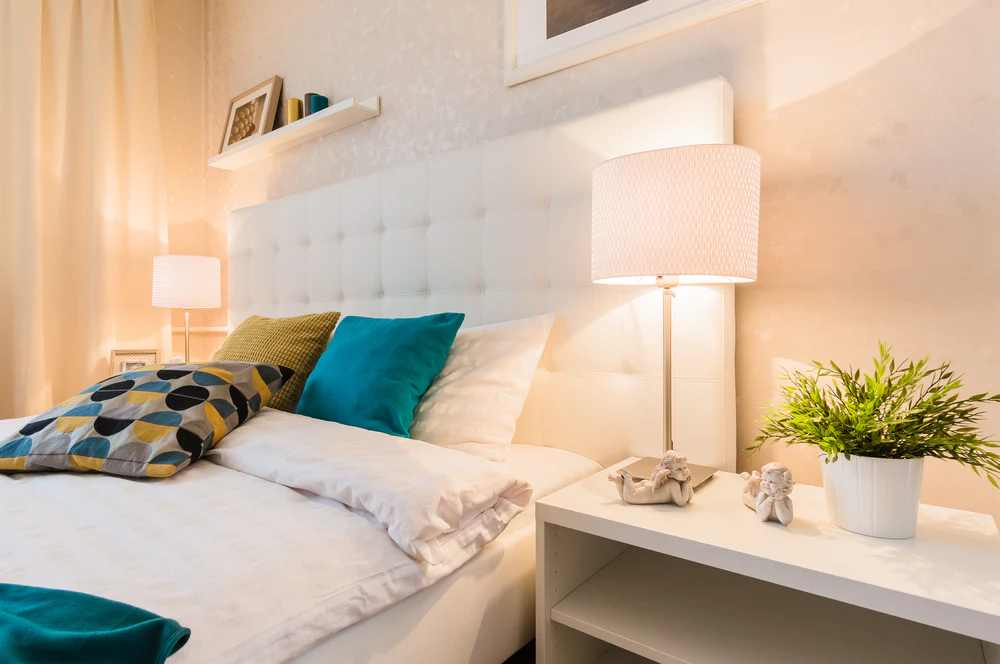
Your bedroom should be reserved primarily for rest. Remove work materials, close laptop screens, and clear visual clutter. Make your bed with fresh, breathable linens. Ensure curtains or blinds can fully block outside light. Keep a glass of water nearby. Place your phone face-down or in another room entirely. The goal is a space that communicates one clear message: this is where rest happens.
Consider a small lamp or candle instead of harsh overhead lighting for evening use. Lay out your evening skincare or hygiene items so the routine feels effortless. A warm towel, your favorite products arranged neatly, perhaps quiet music—transform necessary tasks into pleasant rituals. The bathroom can be a transition space between the active day and the quiet bedroom.
Begin dimming lights in common areas after dinner. Switch from overhead lighting to lamps. Turn off or dim screens. Have a cozy blanket ready for the couch. Create a small evening station with your journal, a good book, or calming activities. The living room is where the transition begins—make it feel distinctly different from daytime hours.
Clean up after dinner so you wake to a fresh kitchen. Prepare your morning coffee or tea setup the night before. Keep herbal tea or a calming evening beverage easily accessible. Avoid bright refrigerator light by keeping a small flashlight nearby or using the ice/water dispenser light. A tidy kitchen contributes to mental calm.
Digital Environment
Guidelines for creating a calmer digital experience as evening approaches.
Enable night shift or blue light filtering on all devices. Schedule it to begin automatically 2-3 hours before your intended rest time.
Set do-not-disturb schedules on your devices. Allow only truly essential contacts to reach you during evening hours.
Use screen time features to limit access to stimulating apps—social media, news, email—after a certain hour each evening.
Create a designated charging spot outside your bedroom. This helps reduce the temptation to check devices and supports a lower-distraction rest space.
All materials and practices presented are educational and informational in nature, aimed at supporting general well-being. They do not constitute medical diagnosis, treatment, or recommendations. Before applying any practice, especially if you have chronic conditions, please consult with a physician.